Do you make New Year’s resolutions? I do, every year; it’s a little ritual I follow, an annual triumph of hope over history. This year I resolved to do the usual things: lose weight; step up the exercise; no more eating potato chips (I even did the farewell ritual recommended by certain therapists: “I love you very much, fried salty things, but I can’t have you in my life anymore”). I did, however, add a new one for 2022, i.e., to post a little more frequently on my blog. There would be no more weeks (or even months), I resolved, when I read wonderful books but didn’t write a word about them! No more holding back the good news from my fellow bloggers about the stunning new works of fiction I was discovering! Weekly posts, it’s true, might be a little too restrictive, but surely I could manage twice a month? I am proud to say, dear readers, that my resolution to increase my number of posts actually survived into February! (By contrast, I’m totally embarrassed to tell you how soon after New Year’s Day I ate my first, utterly delicious potato chip and just how quickly I wolfed it down!) At any rate, receiving some rather upsetting health news (unpleasant but highly treatable), combined with just a teeny bit of travel does give me an excuse for neglecting to post for the past few weeks. The travel, while nothing exotic or international, alas, was a nice little interlude away from the palm trees and unrelenting sunshine of the U.S.’ gulf coast (Florida has earned its moniker of “the Sunshine State.”) My trip was the usual, to Washington, D.C. and, also as usual, combined tedious errands and fun things.
Although I didn’t read quite as much as I usually do on these little jaunts, my trip reading included three wonderful, new-to-me writers. I’ll discuss their respective works, short in page length but deep in content, in the first part of this post. I’ll follow with a few travel photos and comments on the sight-seeing; this was quite satisfying, although I missed a few nice things I didn’t have time to see (I still haven’t made it to the Art Museum of the Americas, for example, or re-visited Baltimore’s stunning Matisse collection). See how easy I make it for you to zero in on what interests you and skip what doesn’t?
A. BOOKS
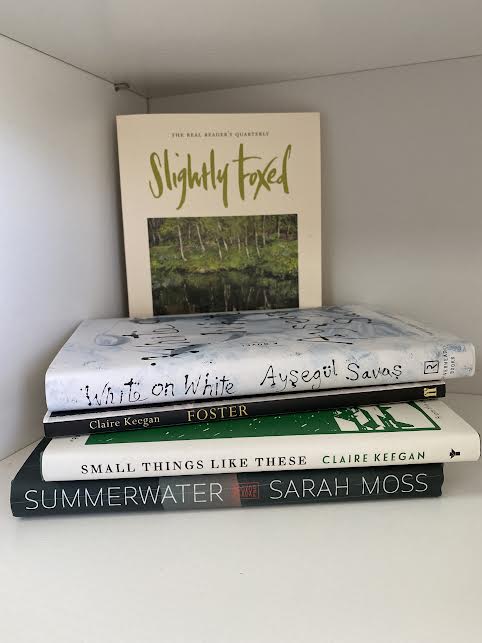
Because I’m drawn to tales about artists and/or the creative process generally, Aysegül Savas’ White on White has been on my radar since its publication last December. How could I resist a novel with a title invoking, deliberately or not, Kazimir Malevich’s great Suprematist painting? No matter the fact that I already had a copy of Savas’ well-received debut novel, Walking on the Ceiling, which needless to say I haven’t yet read! This one went (almost) to the top of the TBR pile.
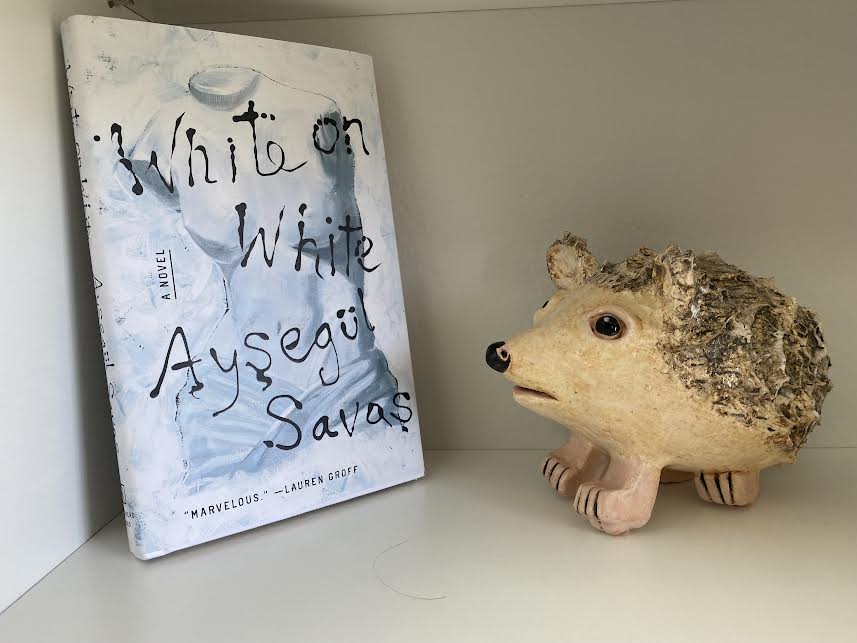
White’s ostensible plot is simple. An unnamed graduate student narrator, the lucky recipient of a grant to finish researching and writing a dissertation on medieval sculpture, has taken up residence in an unidentified European city. The narrator is also lucky (or not) in finding very nice and very affordable lodgings, an apartment belonging to an eminent medieval scholar who makes it available to researchers with the proviso that his wife Agnes, a well-known local painter, will occasionally use the upstairs studio. Our narrator (I presumed a “she” although gender is never specified) diligently does her research; attentively observes the city that is temporarily home and becomes keenly interested in Agnes, who begins to spend more and more time in the upstairs studio. The two settle into an increasingly intimate and claustrophobic relationship, one not always welcome to the narrator (after all, she does have all that research to finish and there’s pressure to begin writing as well). Their roles are seemingly well-defined: the narrator listens and Agnes talks; the narrator receives and Agnes gives — gifts of food, of friendship and of an increasingly detailed portrayal of her marriage; her adult children; her former friends; the beautiful au pair who once worked for her family and her painting. At the end, Savas leaves us questioning the nature of the narrator’s passivity as well as the reliability of Agnes’ revelations and the generosity that prompted her gifts.
Although short on action (a warning to dedicated plot hounds: you’ll need to go elsewhere), White on White is a novel of echos & resonances; of character and connections. Just as the narrator studies the medieval consciousness that created the Gothic sculpture of her dissertation, so Agnes explains her art, “white paintings of the human figure * * * with expressions like those seen * * * from the medieval period.” The two are interested in the same period, but from the different perspectives of an academic interpreter and an artist-creator. Is one way to be preferred over another? At a very deep level the novel is also about change and mutability. Characters and relationships shift and even a painting in the narrator’s apartment appears to mutate as the story progresses. The novel’s structure, a double narration, is equally deceptive. Is the unnamed graduate student who ostensibly relates the tale actually the narrator, or is it Agnes, who speaks to us directly at times and whose life provides the novel’s structure? Can either, neither or both be trusted?
As a former wanna-be medievalist and an adult student of art history, this novel pushed all my buttons. Although I obviously loved it, however, it’s not without flaws. How significant these are depends on your own personal preferences. (I found the ending, for example, rather unsatisfying and a little melodramatic but neither fact detracted from my overall enjoyment.) I’ve already mentioned that the novel isn’t heavy on plot; if this is of paramount importance to you, I’m afraid Savas’ character driven tale won’t be your best choice for an enjoyable afternoon. Keep in mind as well that this is a very visual novel whose characters are closely associated with the arts; certain readers may feel that Savas’ descriptions of art and nature are too digressive. I, on the other hand, was hooked in from the novel’s opening paragraphs (pages 1-2):
Mornings, the apartment expanded with light. Light flitted across the walls and curtains, streaked the wooden floorboards, lay dappled on the sheets, as if a luminous brush had left its mark upon my awakening.
From my bed, I could see out onto the small, trellised balcony, lush with the thick foliage and purple flowers of a clematis climbing up a stone wall. White geraniums lined the railing. There was a single forged iron chair and a round table * * *
On the dressing table beneath a mirror stood a green ceramic bowl; in the hallway, the dark, rounded arms of the coatrack were bare.
Still, everything was marked with life, rich and varied. Each room echoed a story of unknown proportion, appearing and disappearing out of focus. The sparsity gave the place its character, so distinct and so fleeting.
Gentle readers, I wanted to live in that apartment. Do you think it’s the purple clematis?

Turning to my second short read (second only in a chronological sense, that is), I’m happy to report I was equally satisfied in an entirely different way. For some time now, I’ve been intending to check out the increasingly well-known British writer, Sarah Moss. We all know, however, what paves that road to hell, don’t we? But then, what are road trips for, if not to haul around a big pile of books, some of which you actually read? I’m happy to report that after a year of gathering dust on the shelf, Summerwater received my long overdue attention. It did not disappoint.
Summerwind takes place in a remote Scottish vacation park, located on a rather menacing loch; it begins before dawn and concludes late the following night. The vacation cabins — some owned, others rented — are occupied by a motley assortment of families and couples whose outdoor activities have been frustrated by the torrential, unnatural, unceasing rain:
Although there’s no distance between cloud and land, nowhere for rain to fall, it is raining; the sounds of water on leaves and bark, on roofs and stones, windows and cars, become as constant as the sounds of blood and air in your own body.
The rain, a character in its own right, reinforces the feeling of nature being out of joint. Moss links the human and natural worlds by interspersing sections dealing with a fawn, an ant hive, a starving falcon and geological time with the sections centered on her human characters. It’s a wonderful touch that lends a great deal of depth to her story.
Cut off from the outside world by the terrible weather and equally terrible internet access, the would-be vacationers become increasingly unmoored in their isolation. Middle class and British (mostly Scottish, with one English couple in the mix), they are united in only one thing, i.e., their distaste and distrust of the “foreign” family occupying one of the cabins. Variously described as Poles, Gypsies or Ukrainians, their music is loud, their manners uncouth and their ways are not the ways of their temporary neighbors.
It’s clear from the beginning of the story that something dreadful is going to occur; the suspense lies in what will it be, when will it happen and who will get the ax. Will it be the obsessive runner who persists in her solitary and grueling runs despite her bad heart or the quietly resentful retired doctor who drives just a little too fast in his “boomer mobile”? The kid who’s taken his kayak too far from land when the storm hits or his bored sister who slips away from her family to meet a stranger in the woods? Or one of the many other characters in this ensemble cast? By switching the point of view from one character to another, Moss gives the reader wonderfully realistic depictions of each (no one does teenagers better) while ratcheting up the suspense to an almost unbearable level. About midway through the novel, I had to stop and read the end simply so I could relax enough to enjoy the rest of the story. Highly recommended, except perhaps for the morbidly timid.

The third in my most excellent trifecta of excellent fiction writers is Claire Keegan, whom I read for the first time earlier this month. As even the most casual visitor to the bookish internet must know by now, Keegan’s Small Things Like These has been widely and very favorably reviewed on numerous blogs. Although I was mildly curious about Keegan, whose work was unfamiliar to me, I initially had no intention of reading her novella; I’ve read a fair amount of reporting on Ireland’s notorious Magdalene Laundries and didn’t feel I could emotionally handle the subject even in a work of fiction. After reading the third (or was it fourth?) highly favorable review of Small Things, however, all written by bloggers whose opinions I respected, I decided to give it a go. After all, I was curious. Was it possible for any writer to be that good, for any short story/novella to be that morally perceptive or for any fictional character like its protagonist to be that sensitively portrayed in all his glorious, fallible humanity? Well, yes. It’s been many years since I’ve read William Trevor, my own personal god of the short story, but I’d rank Small Things as equal to the best of his work.
Since I’ve nothing new to add to the many fine reviews I’ve read of Small Things, however, I’ve decided to limit my comments to Foster, an earlier Keegan work. Originally published as a short story in The New Yorker, Foster was later published in an expanded form by Faber and Faber (a most unusual step in the publishing world). A simpler, less morally complicated tale than Small Things, it’s the story of a neglected child, temporarily abandoned by her family for the summer to grieving foster parents. Despite the notorious difficulty of creating a believable child narrator, Keegan never gets a note wrong in her portrayal of her wary young girl narrator (her age is never specified, but she appears to be around eight years old). In a beautiful, utterly realistic way that depends as much on what’s left out as on what is said, Keegan shows how the child slowly gains a sense of trust and belonging when she is given attention and nurturing in a home “where there is room and time to think.” Although Foster lacks the moral complexity and drama of Small Things, I actually preferred its beautiful but utterly unsentimental depiction of human nature, the petty and malicious as well as the good.
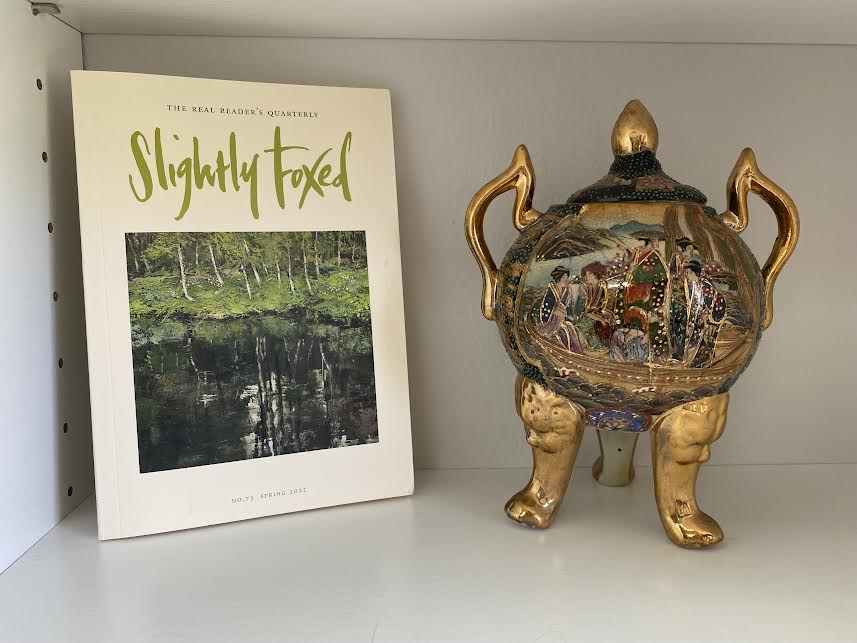
I’ll conclude my short reads section with a word or two about Slightly Foxed, a quarterly periodical to which I’m mildly addicted. If you’re on my side of the Atlantic, it is a bit of an indulgence, but it’s such a perfect way to pass the time between novels, while discovering some half-forgotten treasures from yesteryear, that I justify it as a birthday or Christmas gift, from Janakay to Janakay, so to speak. The articles are short and beautifully written, often by well-known writers; and the format lends itself to dipping and skipping, so it’s perfect for short attention spans. If any of you are current or former readers, I’d love to hear your thoughts on this pricey-but-worth-it gem.
B. TRAVEL
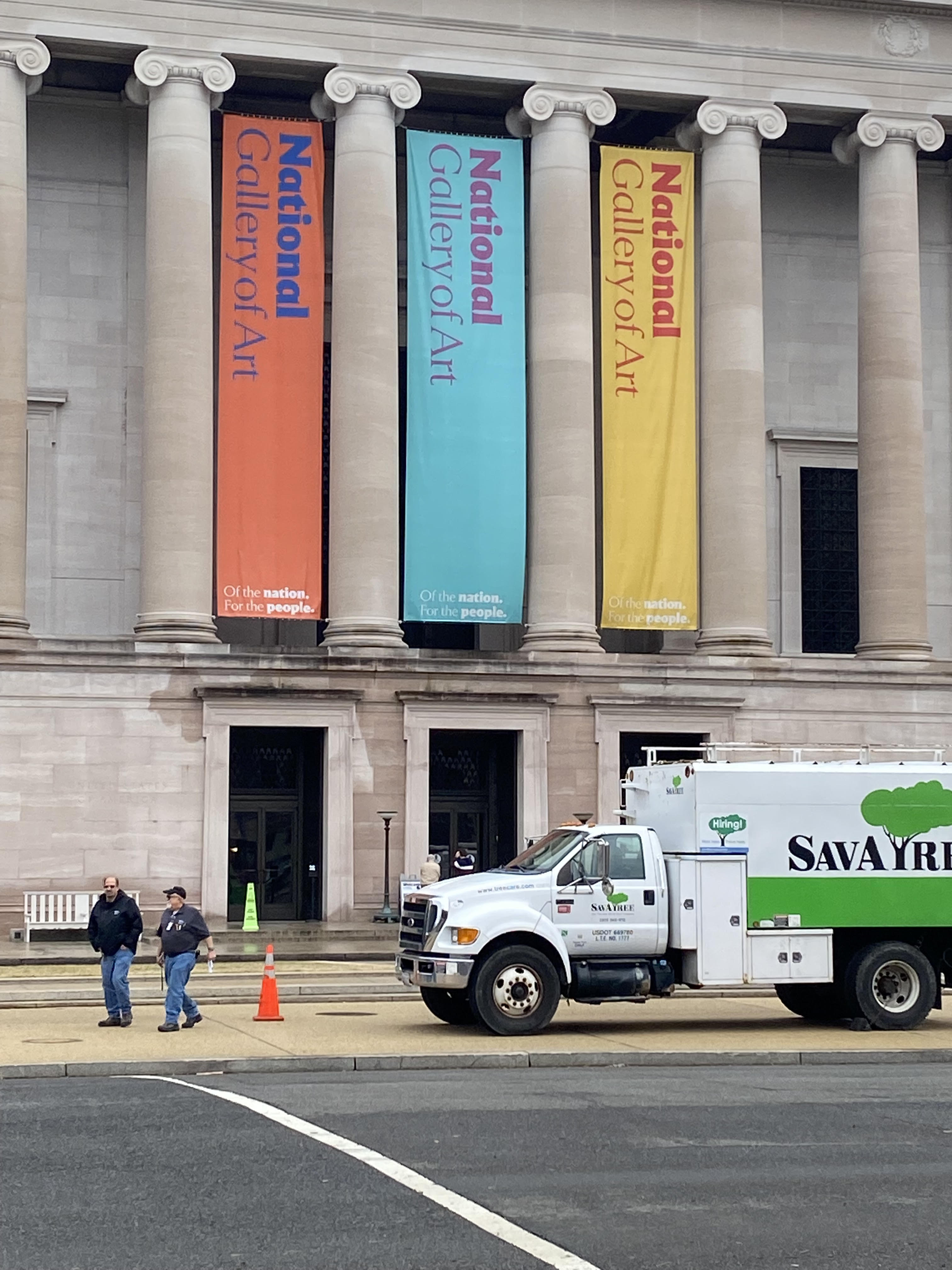
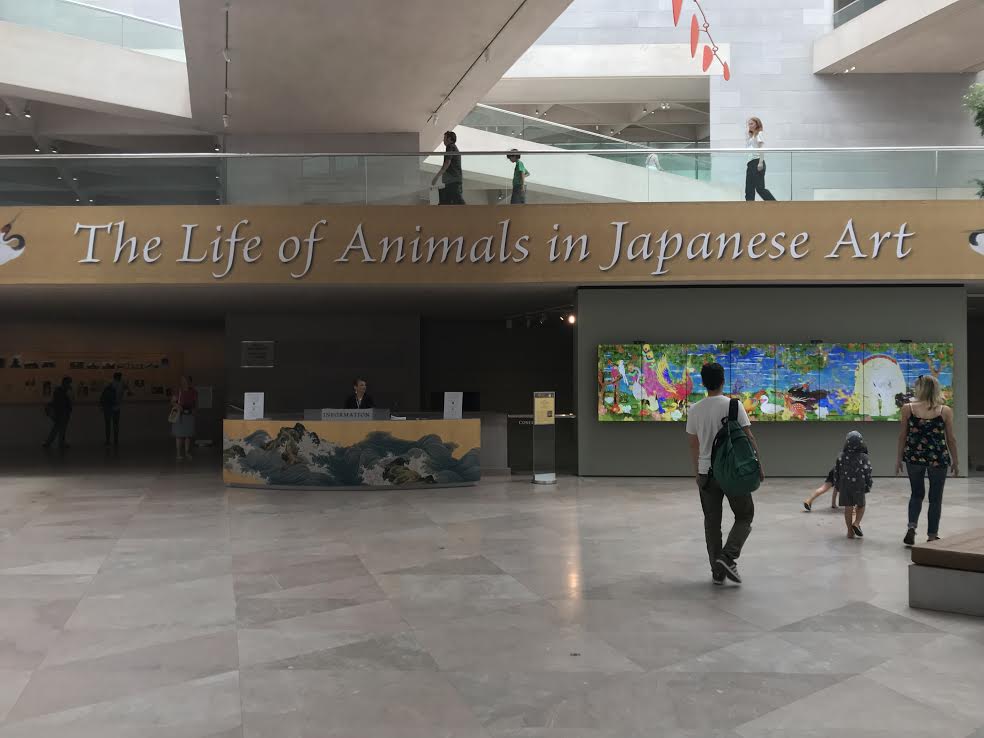
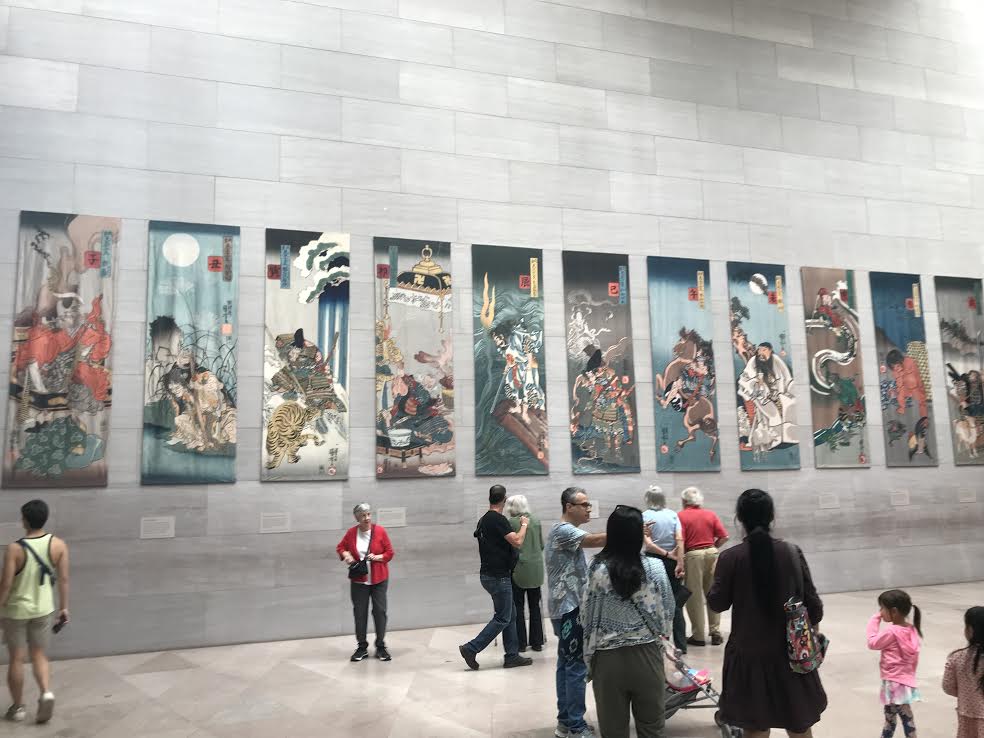
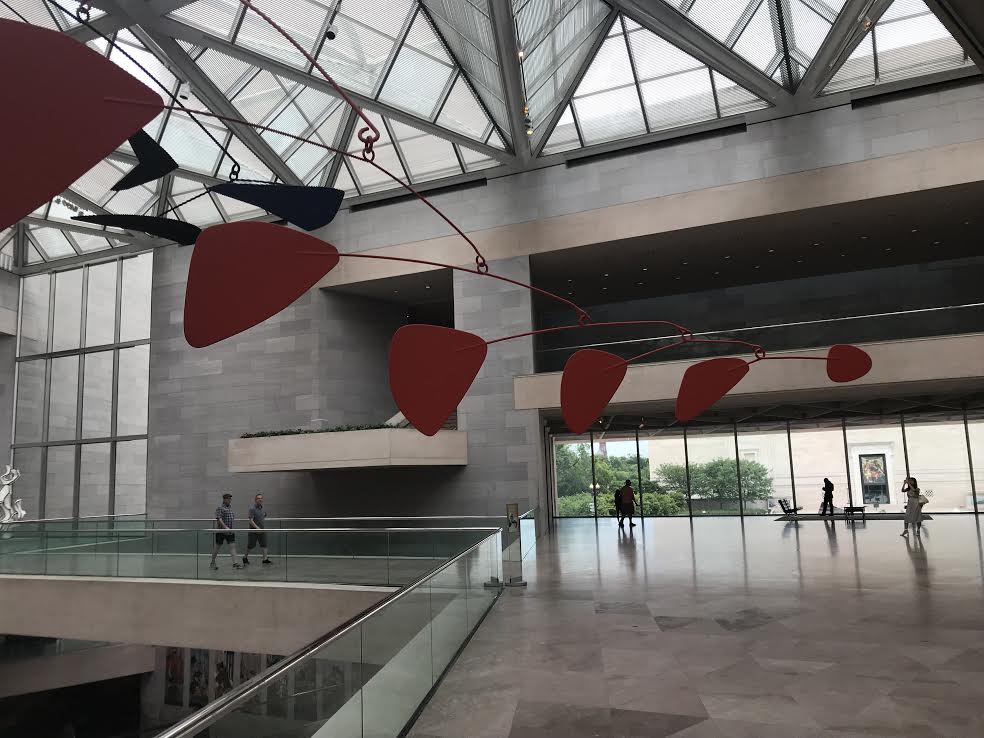
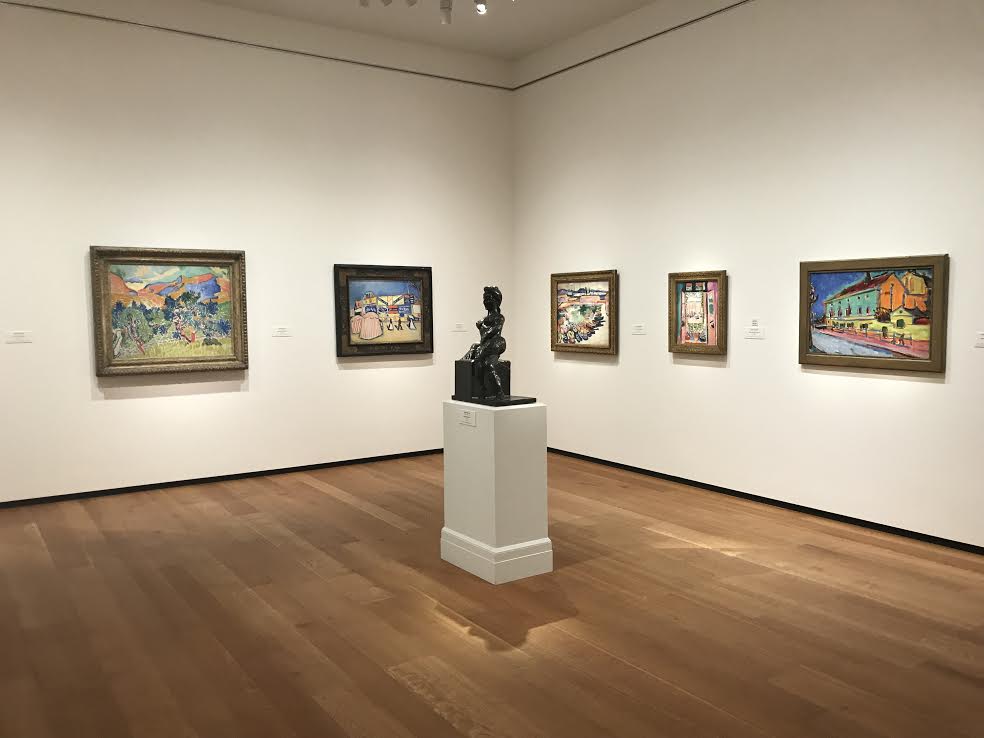
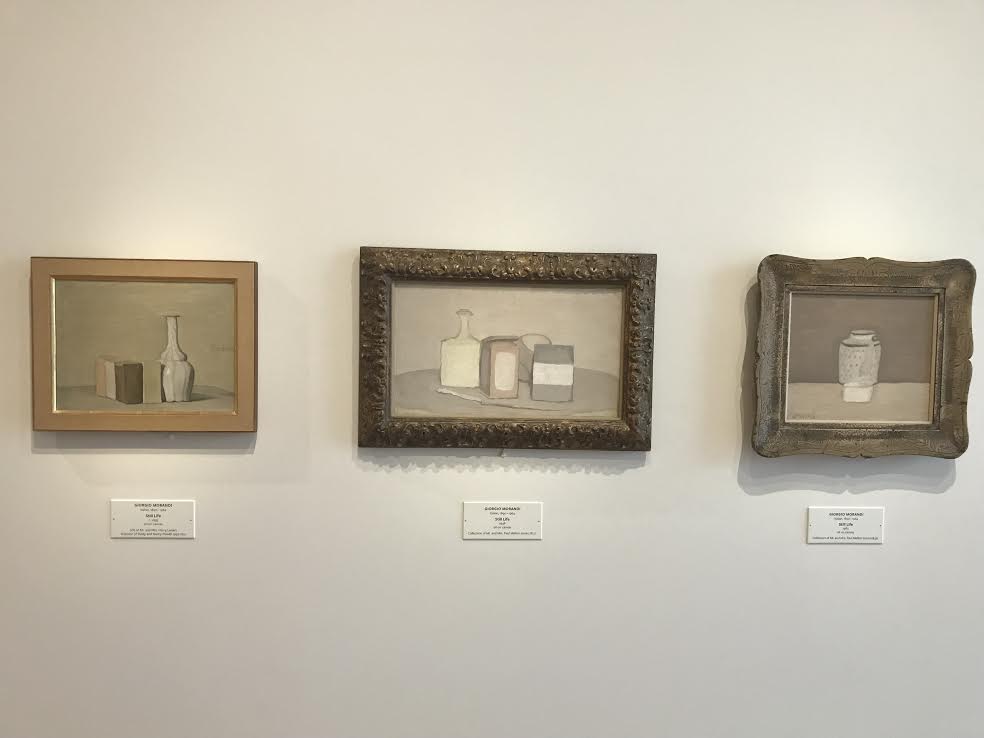
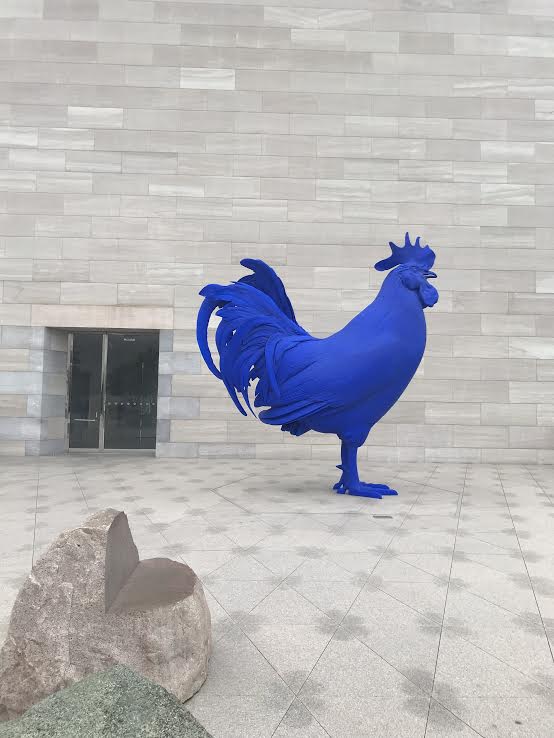
Because Washington is such a city of museums, my first stop is almost always . . .


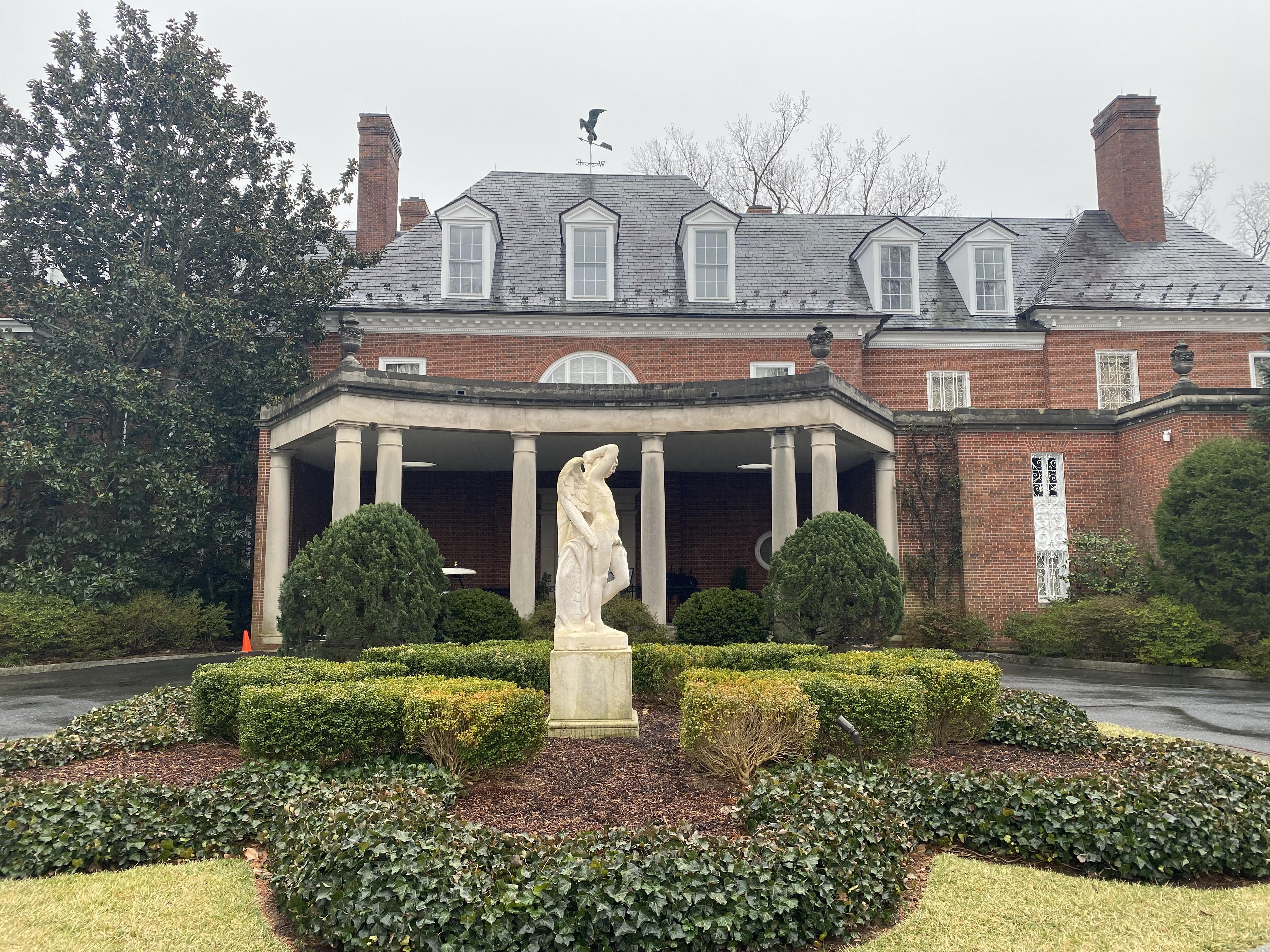
For the last bit of sightseeing, it was back to a museum, albeit one I seldom have time to visit. Nestled in the heart of Washington’s estate area, Hillwood Museum & Gardens remains something of an unexplored treasure for most tourists. A former residence belonging to Marjorie Post, the sole heiress of the founder of what later became General Foods (jello, cereal or frozen veggies, anyone?), I think of Hillwood as an American equivalent to a British stately home, albeit one associated with oodles of dollars rather than aristocratic descent. Hillwood is a treasure trove of French antiques and porcelain, as well as Russian imperial relics; Ms. Post was the wife of the U.S. ambassador to the Soviet Union when the Bolsheviks were happily trading Romanov bling for western currency. If you don’t care for Fabergé eggs or the nuptial crowns worn by Russian princesses, Hillwood’s magnificent gardens provide a wonderful respite from the huge and bustling city that seems (but isn’t) a million miles away.
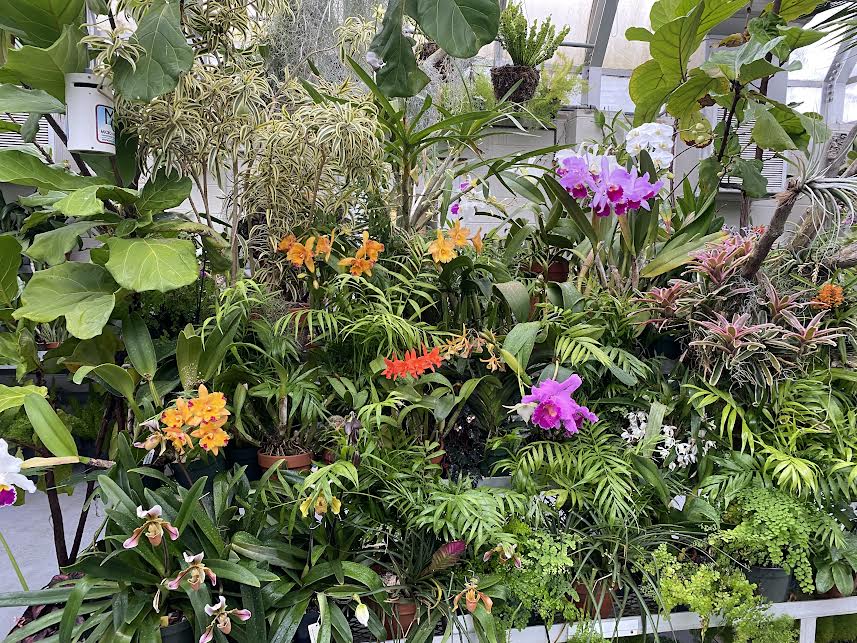
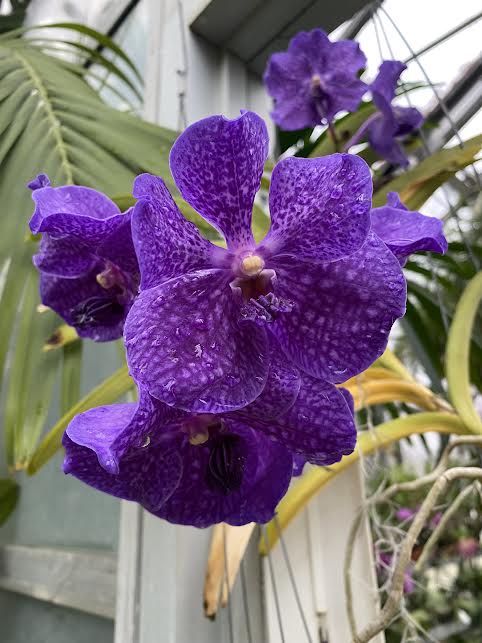
After several days of unseasonably warm weather, the mercurial Washington climate decided that it was winter after all on the day of my Hillwood visit. Although it was too rainy and cold to walk in the gardens, the greenhouses were open and the orchids were almost, if not quite, in full bloom. Since I enjoy gaudy tropical flowers very much, I’ll leave you with several shots of blinding color, courtesy of Mr. J:


After the excitement of the big city, it’s home again, where two of our resident aliens were getting ready to levitate up to their space ship:

That it for now (and I’m still working on that review of Stella Gibbons’ Nightingale Wood . . . .)








 "You Might as Well Read"